The Transition has/has not begun . . . you select the appropriate choice. It is crystal clear that I lost badly and that President Trump, while taking a drubbing, was not repudiated to the degree that he so justly deserved after such an in-adequate performance over the last 4 years. That he could garner nearly 50% of the vote after neglecting to do his job shows us the low level of competency that our society is operating under and the severe cognitive limitations of the voters. We have to hope that if the millions of people who did not participate had joined in, we could enjoy a higher degree of confidence that our political system shows a better degree of potential for transforming itself into an actual democracy than we have seen so far. Furthermore, the need for national management of elections and elimination of the Electoral College will be required for the Presidency and Congress to be transformed into effective instruments of majority rule. Currently, our system of elections cannot provide for “the equal protection of the laws” as guaranteed in Section I of the 14th Amendment.
With Donald J. Trump over 5 million votes behind Joseph R. Biden in the popular count, and with Joe Biden in possession of over 300 Electoral votes, the nation and the world note that the election isn’t really over and we have in all probability another two months of sorting to do before we reach January 20, 2021; chiefly because Mr. Trump is as unprepared to relinquish power as he has been unable to wield it. Meanwhile as the ravages from the coronavirus pandemic expand here in the United States, and equity markets in New York party on, it’s increasingly likely that by the end of the first quarter of next year, the world economy will see its worst shocks since the Great Depression of the 1930’s. There are simply too many people who have been cut out of the cash flow for late-stage capitalism to meet the needs of a planet in extreme economic, political and environmental stress. With the amount of borrowing going on to keep governments solvent, and for speculators to play the markets, the situation is custom-designed for a liquidity crisis of shocking dimensions. If, in the face of these challenges, we as a people can come to terms with our paralyzing fears and rise to a new level of self-sacrifice, popular government may rise above the morass of corruption and in-effectiveness into which it has sunk. If we cannot, a terrible reckoning awaits us.
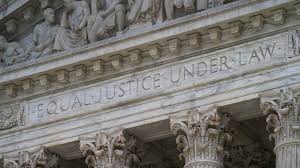 The little pocket Constitution from which I gathered the above quote is one that the government prints for free distribution (Twenty-Fifth Edition). On the back of the cover is a quote from John Marshall, who first put real power behind the idea of judicial review by the Supreme Court; “a constitution, intended to endure for ages to come, and consequently, to be adapted to the various crises of human affairs.” This would appear to be a very early summary of the argument against originalism and textualism. We shall soon see if the United States government is capable of saving itself from some of its worst habits, and if the as yet unmet promise of ‘consent of the governed’ and ‘majority rule with full minority rights’ will be honored in fact.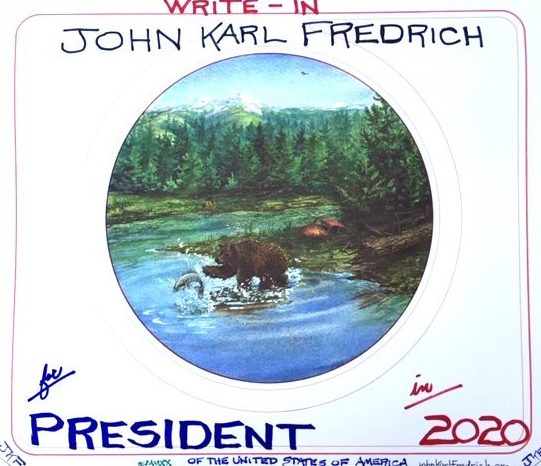
 Those barriers which hinder or obstruct our progress can be called the primary impediments to creating a republican form of socialism. By republican socialism I mean a version of popular government that has impartial, open elections with results that can be verified as the actual will of the people, not a gerry-rigged farce that has excluded many of the countervailing forces that democracy encourages. The socialist element comes from the fact that socialist leaning voters of many strips see the redistribution of the benefits and amenities of a complex modern economy as pieces in the negotiable social contract that determines who our representatives are and how the fruits of our labors are apportioned through taxes and programs that are created to benefit everyone. The cant and lie of the current formula is that ‘the job creators’ or the investment and banking elements deserve the bulk of society’s wealth as they are, to use the old rubric of the Chinese imperial dynasties, ‘the masters of the earth’. Under that system those arrangements would continue to apply as long as the leadership enjoyed ‘The Mandate of Heaven’, which usually came to mean that as long as there was stability and the sense of forward progress and social order, the group in charge should continue to rule. In the United States today it’s apparent our masters have lost their mandate. It is our task to replace them by way of the ballot box.

 Labor Day in the fall is an artifice of American culture born of the concern of the political leadership that allowing the celebration of working people to occur on May 1st, in solidarity with those who toil across the world, would only enhance the power of the international forces trying to reform capitalism. That fact, the importance of May to the forces of revolutionary action, is one big reason why I began my campaign on May Day. Now though, it is also true that our fall celebration is the official start of the final round leading up to the elections at the beginning of November, “the first Tuesday after the first Monday”, and signifies the moment of truth for the many years of planning, organizing and fund raising that those who aspire to be elected have undertaken. Therefore, because of the tremendous stakes of the next sixty days in this historic Presidential contest, the need for all citizens and voters to be alert, hard working and diligent in their scrutiny of the facts and their pursuit of the reality in regard to our pressing problems is particularly intense. If we are lazy or duplicitous the entire matter may slip out of our hands. Powerful forces seek to neutralize the power of workers, farmers, students, homemakers, and aggrieved minorities of many stripes, most acutely by manipulation of the narrative concerning this historic moment and then the actual results of the hard vote on November 3rd.
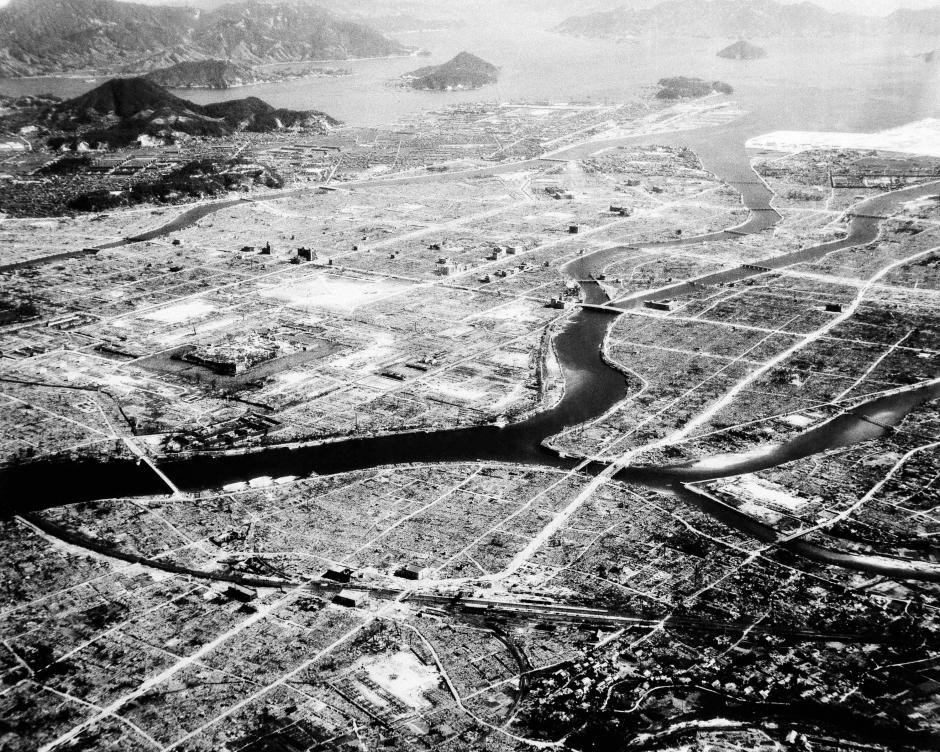
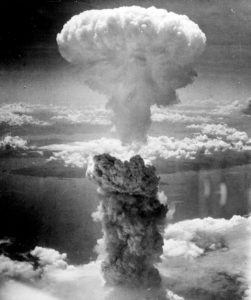 The Atomic Bomb was born during World War II, first tested in July, 1945, and then dropped on two Japanese cities, Hiroshima and Nagasaki on August 6 & 9, quickly leading to the end of the war.